The American right of freedom of speech is something everyone is aware of: the ability to express yourself and fight for your rights. However, in our current polarized political climate, where nobody can seem to agree with each other, there is a knee-jerk reaction to shut down protesting.
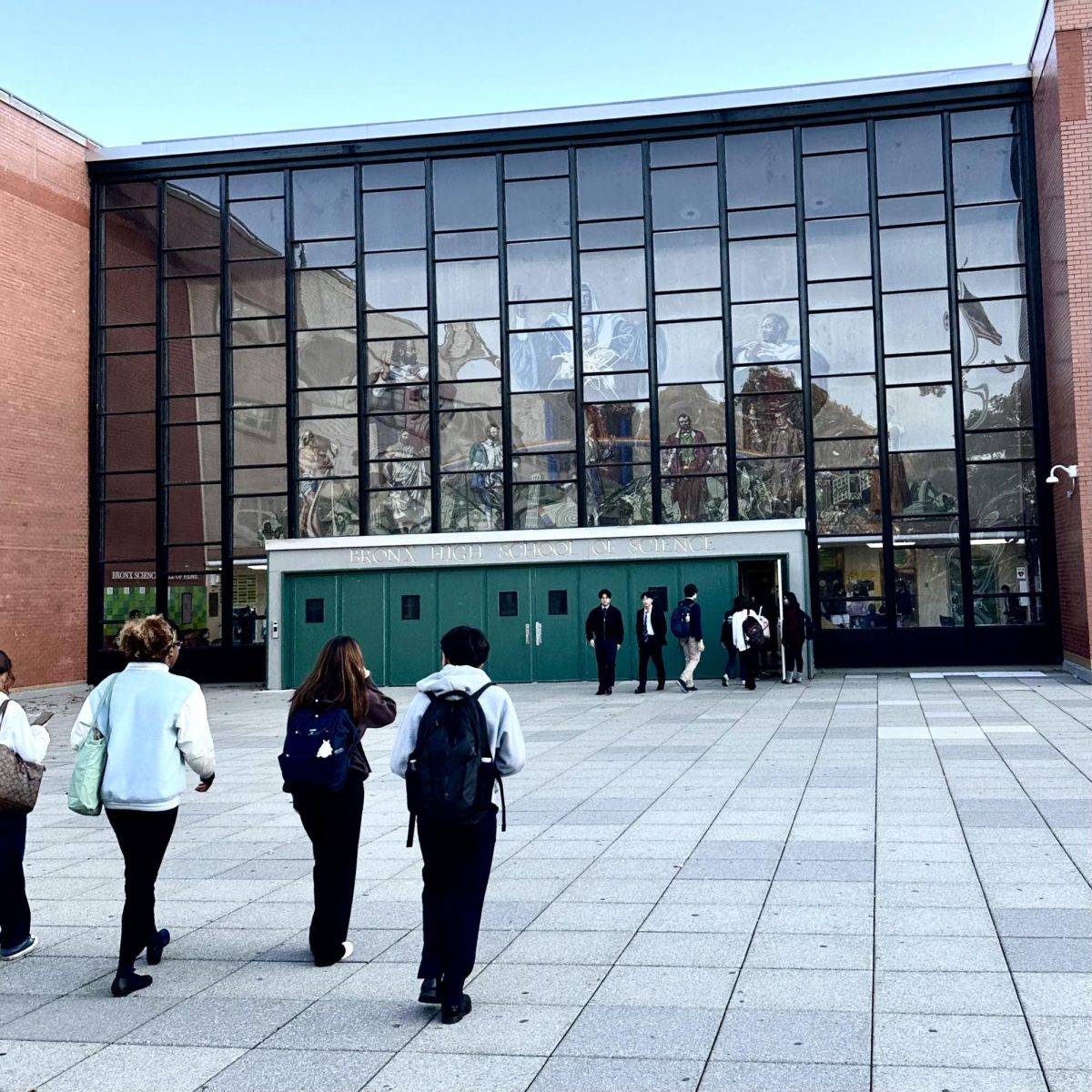
Most recently in New York City, bill Intro 175-B, passed the New York City Council to establish “security perimeters” or buffer zones around educational facilities to curb protesting interference. However, in late April Mayor Zohran Mamdani vetoed it. As a student myself, I agree with his decision.
The legislation was particularly concerning because of its broad definition of “educational facility” to mean “any building, structure, or place where educational programming takes place.” The issue is the definition: it could include not only schools but also hospitals and libraries. It’s too vague of a definition to be specific to schools, and it ends up hurting other facilities that have nothing to do with the intentions of the legislation at hand. If it becomes a law, it would become a citywide issue as opposed to just schools, which is a threat to free speech for all New Yorkers.
Additionally, Intro 175-B gives the NYPD the power to develop a plan outlining how to manage, contain, and limit protest activities. However, giving the NYPD this much power is a terrible move. It will lead to more discretion for the NYPD and less space for New Yorkers to speak out, especially for Black, brown, immigrant, LGBTQ, Muslim, Jewish, and young people. That means it will be harder to hold them accountable for potential violations, and as a result, violence against minority groups increases in tandem.
However, there has been support for the bill as well. New York City Council Speaker Julie Menin, who supported the legislation, said in a statement that “Ensuring students can enter and exit their schools without fear of harassment or intimidation should not be controversial,” she said. She explains that the bill simply required the NYPD to clearly outline how it will ensure safe access when there are threats of obstruction or physical injury, while fully protecting First Amendment rights.
It is true that this legislation could be used for protection. However, most school protests that happen are orchestrated by students. Stopping students from being able to protest is only destroying their First Amendment rights.
The First Amendment of the U.S. Constitution guarantees five core freedoms, prohibiting the government from restricting your right to express yourself, practice religion, assemble peacefully, or petition the government for change. It ensures freedom of speech, press, and religion. However, when you put a barrier around schools to stop protests from occurring, you’re putting a barrier on the freedom of speech students deserve.