
The National Honor Society was reintroduced at Pace in April 2025. Both juniors and seniors with a GPA above 85 were inducted through a formal ceremony. Starting with the 2025-2026 school year, NHS has become an official class period in the Pace student schedule. Their mission is to promote excellence within the school community through service and leadership.
There are two NHS periods, each featuring three committees: the Teen Mental Health Awareness Committee, the Mentorship Committee, and the Resource Committee. All three committees spent their fall semester planning to create a lasting legacy.
NHS President Miley Robles, Vice Presidents Alexandria McLaughlin and Mariely Cruz, along with administration and school staff, Ms. Banks, Ms. Gold, and Ms. Fostinis have joined forces to launch these committees into action.
Ms. Banks, who teaches both periods, explained, “NHS is typically an afterschool club, but here at Pace we want to build an opportunity for seniors to leave their mark. We hope the mentorship committee turns into a program that becomes a big part of Pace culture.” She noted that the administration has given NHS students a lot of freedom to grow projects and that they have only steered students to the school’s needs.
From an administrative perspective, Principal Glatz explained that the reintroduction of NHS was motivated by a desire to recognize student achievement following the COVID years. “There was an aspect of being able to provide opportunities to recognize strong community engagement and strong academic works, and to really celebrate that for our students,” he stated. Glatz also emphasized the importance of NHS as a nationally recognized organization, noting that it provides Pace students with the same resume-building opportunities as students at other high schools across the country.
The Resource Committee, led by Chair Aarushi Bhati, Co-chair Paige Gabler, and Secretary Carmelo Hitt, has set both long-term and short-term goals to provide necessary resources for the school community. Their long-term purpose includes creating and maintaining hygiene lockers across the school. As of January, accessible hygiene product lockers have been placed on each floor, offering on-the-spot help to students in need of essentials.
Bhati shared that as a student, “you shouldn’t feel like you only have one option to choose from. In this case, you shouldn’t feel like the only place where you can receive affordable hygiene products is through your parents or a store. Therefore, as the resource committee, a long-term goal we have is to give you, the student, more options to express your needs comfortably.”
Ke Ying Chan, a member of the committee, highlighted several contributions they have made to the community. She stated, “We held a resource fair on Nov 18 and also organized an after-school clothing distribution for Pace families.” In October, they launched an anti-bullying campaign, distributing goody bags to as many students as possible. Ms. Barcia has been very helpful in helping the committee secure resources and identify issues to address.
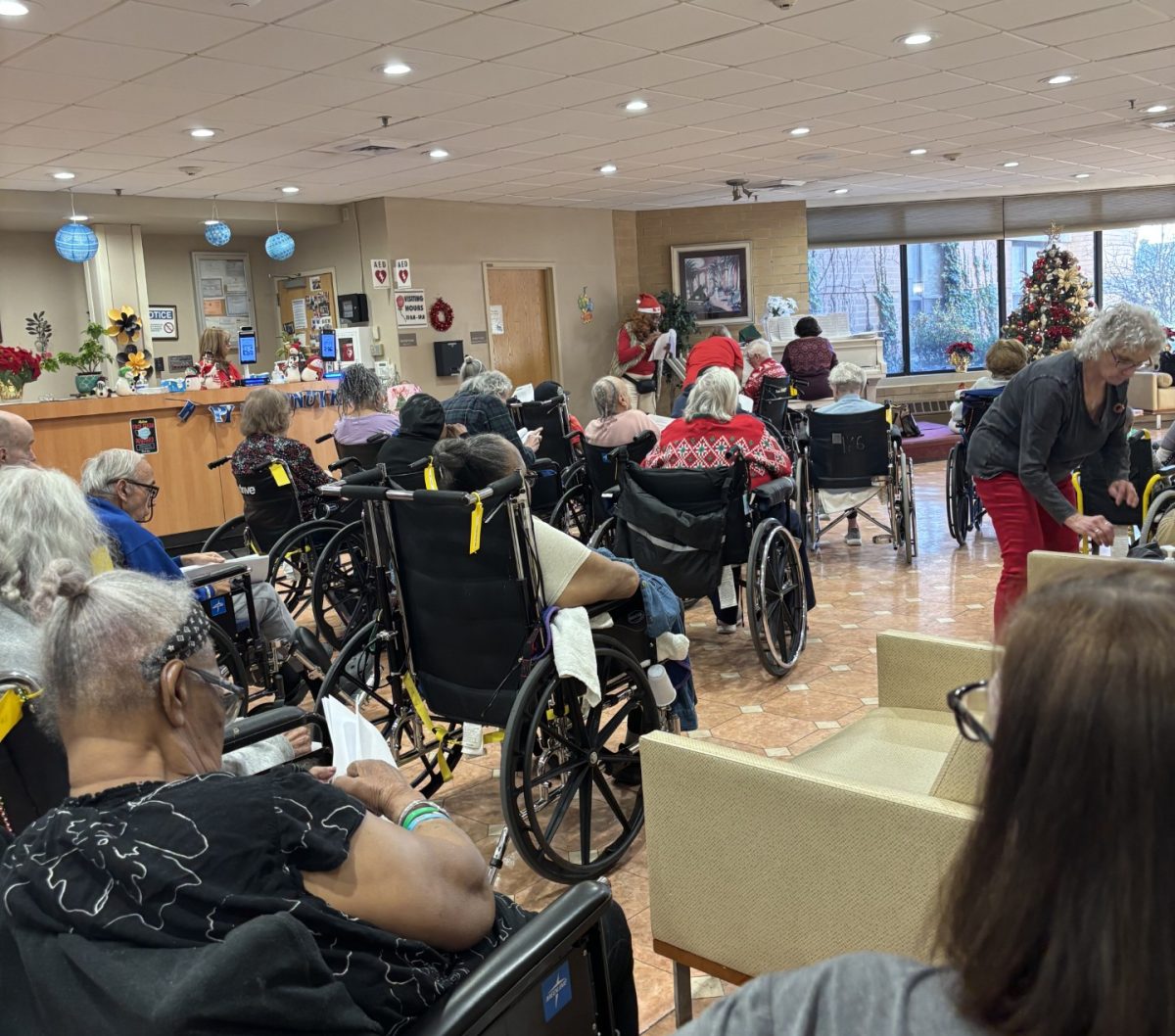
Ms. Banks reinforced the importance of this ongoing initiative, “The necessity lockers should be a running part of Pace High School,” to support students’ hygiene needs throughout the day.
The Teen Mental Health Awareness Committee is dedicated to creating a more supportive and safe environment for students within the school. They plan to establish a support system that prioritizes the mental well-being of their peers, ensuring that students feel heard and understood.
Member of the committee, Katelynn Saldana, noted that the group’s presence will fill the gap in the school’s community. “The Mental Health Committee is actually something that the school really needs based on what I see [and] based on what I go through as well,” Saldana shared. “I would like to talk to somebody about issues and just go to somebody that I would want to rely on.”
To achieve this, the committee has created a survey called the “Pace Emotion Pentameter,” which they plan to launch soon. The survey is designed to gather anonymous feedback and data to better understand what students need. The goal of the Pace Emotion Pentameter is to use the data to support students more effectively. Saldana explained that the committee’s strength lies in its collaborative nature, stating “We build ideas off of each other.. It’s built off of many ideas from the teachers and students.”
However, executing these ideas doesn’t come without its obstacles. Saldana highlighted the challenges of coordinating with the school leadership, stating “To make it actually happen, we need permission from the teachers and the principles…sometimes they’re not really consistent”. She understands that balancing student schedules with administrative schedules can be difficult but the committee remains focused on creating a foundation “that way the [next] generation could build on it.”
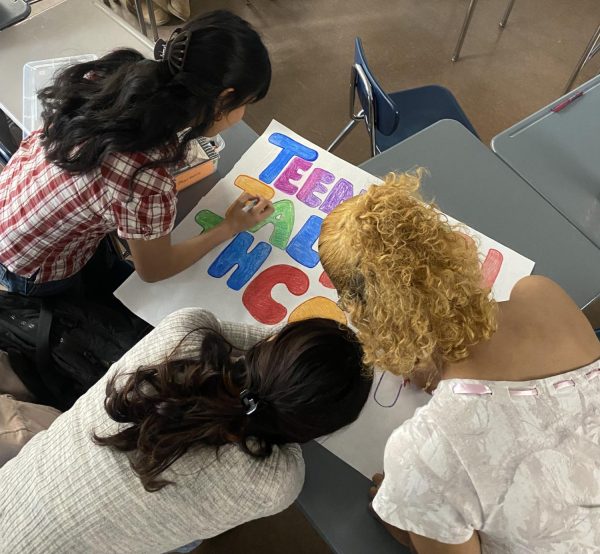
The committee has also been working on interactive posters they have designed for the bulletin board they were given to display their resources and important news aimed at raising awareness about mental health issues. This visual display will serve as a space for students to access helpful information. Looking forward, the group hopes to expand their reach even further. According to Saldana, the committee is currently working on several projects in progress with the hope to “create committees that could also help.. specifically for the teachers.”
Meanwhile, the Mentorship Committee, led by Chair Soumik Dey, Co-chairs Vanessa Eng and Yasin Oudina, and Secretary Angelo Skowronska, aims to elevate education. Their short-term goal focuses on increasing attendance and punctuality of the 9th and 10th graders.
The team organized the mentorship program by creating two surveys. One survey was for the freshmen to sign up as mentees, and the other was for NHS seniors who would be the mentors. The committee carefully reviewed the responses from both surveys to best match mentors and mentees.
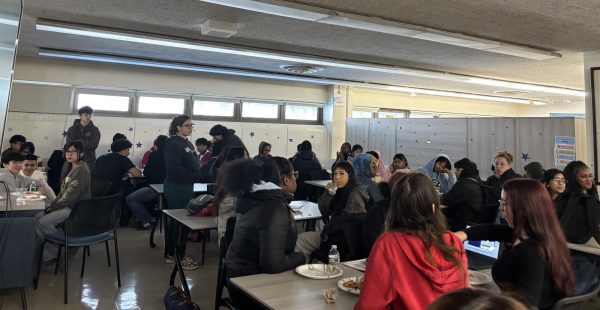
On Feb 5, they held an orientation brunch where mentees and mentors got to know one another to start building their mentorship relationships. This event gave the opportunity to meet each other in a more friendly setting.
Soumik Dey emphasized that mentorship extends beyond helping in schoolwork. “It’s not only tutoring, It’s also an opportunity to create a connection with students in different grades” Dey noted that student-to-student communication is different from adult-to-student because students have more engagement and participation experience in the school over the years.
Mr. Glatz explained that the mentorship program was intentionally designed to strengthen connections between students of different grade levels. “We wanted to build our Pace community and have more students interact between grades,” he explained that NHS was deliberately scheduled during ninth grade lunch, foundation, and physical education periods so that it can allow for more structured time between students. so that interaction is built in.”
Looking toward the future, Mr. Glatz shared his hopes for the mentorship program’s long-term impact. “The whole idea is to build a foundation now so it becomes very student generated.” He expressed hope that mentor-mentee relationships would continue after graduation and inspire young students to support incoming freshmen, reinforcing a strong sense of community at Pace
Overall school culture could improve with more pride and stronger connections between students. NHS is a great way to do this, especially because required volunteer hours can help build community involvement. The strong leadership of NHS members makes them well-suited to help boost school spirit and teamwork. In April, the top 20 students of the 10th grade class will be inducted in NHS.