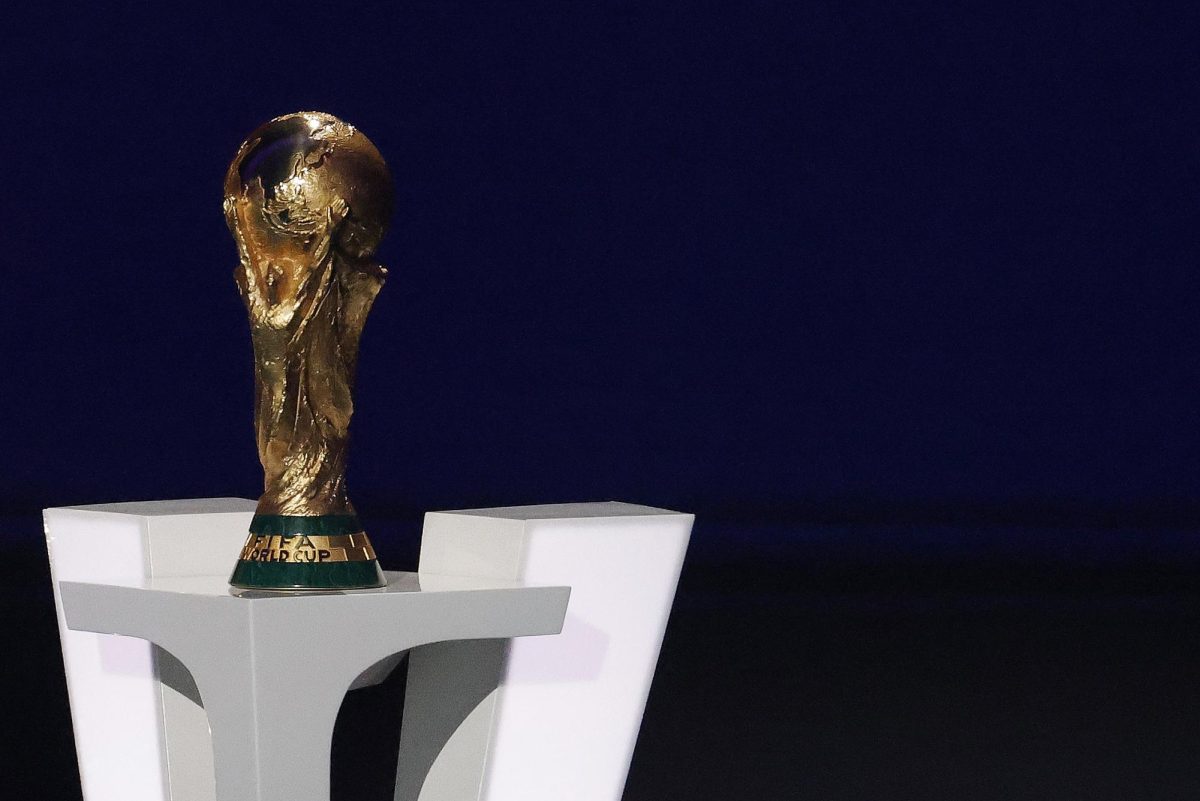
In the summer of 2026, the FIFA World Cup will arrive on American soil for the first time in over three decades. Stadiums across the United States from coast to coast, alongside those in Canada and Mexico, will host the world’s most-watched sporting event.
A recurring concern quietly follows the excitement: ticket prices that make “the world’s game” “a game only the rich can afford.” As a fan myself, I am eager to attend a match at some point in the competition, but this raises the question, “How in the world will I be able to get $2000 to spend on a 90-minute match?”
American sports culture is built around high demand and prices. NFL, NBA, and major concert tickets often cost hundreds, even thousands of dollars. The International Federation of Association Football (FIFA), a global organization with a long history of getting the most out of revenue, is unlikely to ignore that market reality.
With expanded stadiums and a 48-team tournament offering more games than ever, the financial input is clear. But it is less clear how this affects the average fan. The last World Cup in the winter of 2022 was held in Qatar. A ticket for the final of the tournament in the most expensive seating (Category 1) was priced at $1,607.
A ticket for one of the earlier games in the upcoming World Cup in a Category 4 seat, located in the back of the stadium, costs around $2,100, which is $500 more.
Soccer has long prided itself upon accessibility. All you ever needed was a ball and an open space, and you had yourself a game. These prices seem high, and with the World Cup in the U.S., a country known for premium sports entertainment, many fans fear 2026 will be the most expensive World Cup ever.
For lifelong soccer supporters, particularly immigrants and working-class communities who helped foster the sport’s initial popularity in the U.S., these rising costs feel like a stab in the back, a betrayal for the ones who helped soccer get to where it is.
Many of these fans have waited decades for the World Cup to return to the U.S. Now they may find themselves watching from sports bars, living rooms, or, even more devastating, a phone screen, not because they lack passion, but because they lack the money.
The World Cup is supposed to be international. Supporters travel across continents to follow the team they support. The U.S. already presents more challenges with travel distances, visa requirements, and high accommodation costs.
As kickoff on June 14th approaches, FIFA and organizers face a choice. They can treat the World Cup as another high-end American money-making opportunity, or they can honor the sport’s roots of anyone anywhere by ensuring that regular fans can afford to be a part of the history they spent popularizing in the host country.
Because if the world’s game can no longer be watched by the world, the price paid will be far greater than what’s printed on a 2026 World Cup ticket.