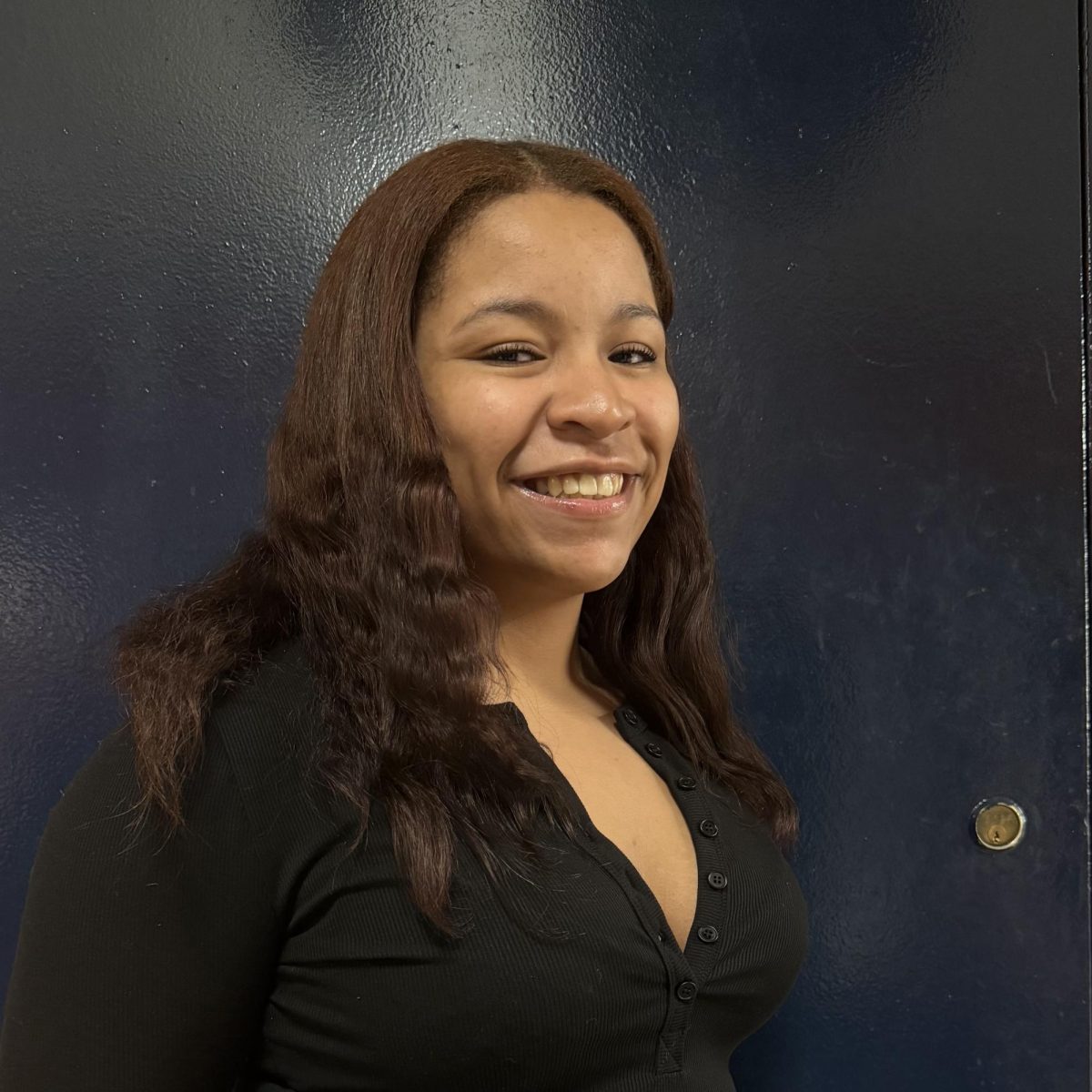
Mrs. McBride is a generational educator. She taught U.S. history at Pace in the past and now teaches AP African American Studies and civics. She left Pace High School for two years to work with the city schools chancellor and the department of education. She observed programs and visited schools all over the city; she saw growth within students across NYC.
This interview has been edited and condensed.
So you’ve been away from Pace for the past couple of years. What have you been doing?
For the last two years, I worked with the New York City Public Schools Chancellor. I traveled with him to schools, observed programs, and saw both challenges and successes. My classroom experience helped me tell when schools were genuinely thriving versus just putting on a show. That job was exciting because I saw the good happening in NYC schools, which the media often overlooks.
What’s your job now that you’re back at Pace? What do you teach?
I currently teach civics to seniors, which is a new course at Pace that is partnering with the city and the state to launch. The goal is to encourage students to become active citizens who improve their community. The class also provides an alternate pathway for students who struggle to pass Regents exams—they can earn accreditation through civics instead. So it serves two purposes: engaging students in community impact and offering a Regents alternative.
Are there any other courses you teach?
I also teach AP African American Studies. I helped bring that course to Pace before I left, and while I was gone, Ms. Cepeda stepped in to teach it. Now I’m excited to return to it.
How did you get this position as a teacher? What training process did you go through to get hired at Pace?
Pace is actually the third school where I’ve taught. I previously worked at two schools in the Bronx. The former assistant principal at Pace, Larry Gabbard, and I worked together at Eagle Academy. When I was looking to leave Eagle, he told me about an opening at Pace. Because of that connection, I was interviewed and hired.
What did you teach at your previous schools? Did you always teach civics?
No, I taught global history at my other schools. When I first came to Pace, I wanted to teach global studies, but there were no openings, so I pivoted to U.S. history. I ended up falling in love with U.S. history and wouldn’t want to go back to the global.
Why did you choose to become a teacher? Was it a passion?
Teaching was always my dream. I grew up in the Caribbean, where teachers, lawyers, and doctors were highly respected. As a child, I pretended to be a teacher with my younger siblings, giving them homework. It’s always been what I wanted to do.
How were your first days teaching at Pace the first time—and how are your first days back now?
The first time was a lot of transition—new leadership, different student demographics, and my first time working in Manhattan. I relied on connecting with students to adjust. Coming back now, the classroom is still my safe space. Things have changed since I left, but students are still students, and building relationships has made the transition easier.
What do you think of Pace and the students so far as a whole?
I’m still adjusting and learning. Some changes have happened, and I’m figuring out whether what I’m seeing is due to my own adjustment or Pace itself. However, in general, I believe that students everywhere possess gifts and talents, and it’s our job as educators to help bring them out.
What goals do you have for teaching this year?
Personally, I want a healthier work-life balance. In the past, I overworked, taking too much home. This year, I want to maximize my time in the building and not overload myself outside. Instructionally, I want to do more projects and fewer traditional tests—allowing students to demonstrate learning in different ways.
What made you come back to Pace?
Two reasons. First, I missed the classroom. Second, my job with the Chancellor was always meant to last only about two years, since it was tied to the mayor’s term. Once that ended, I planned to return to teaching. I stretched myself in that role, but teaching is my home.